Engaging Introduction
You picked the perfect watermelon.
It felt heavy for its size. It had the creamy yellow field spot. It produced that satisfying hollow sound when you tapped it.
Everything suggested you had chosen a sweet, juicy watermelon.
Then you sliced it open.
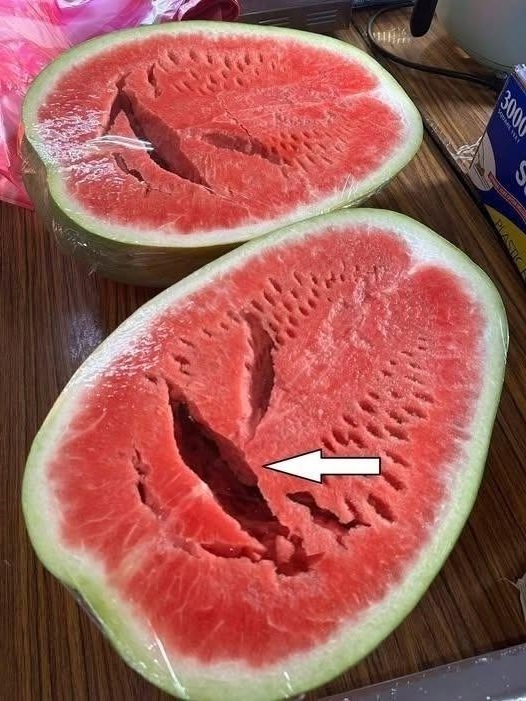
Instead of the bright, firm red flesh you expected, you discovered cracks running through the center. Maybe there were hollow spaces, strange grooves, or areas that looked loose and spongy.
Your first thought might be that it’s simply overripe.
But what if those unusual changes are trying to tell you something?
While internal cracking doesn’t automatically mean a watermelon is unsafe, it can indicate growing conditions, storage issues, overripeness, or in some cases the use of plant growth regulators that may affect fruit quality.
Understanding the difference can help you make better decisions for yourself and your family.
The Short Answer: Why Do Some Watermelons Have Cracks Inside?