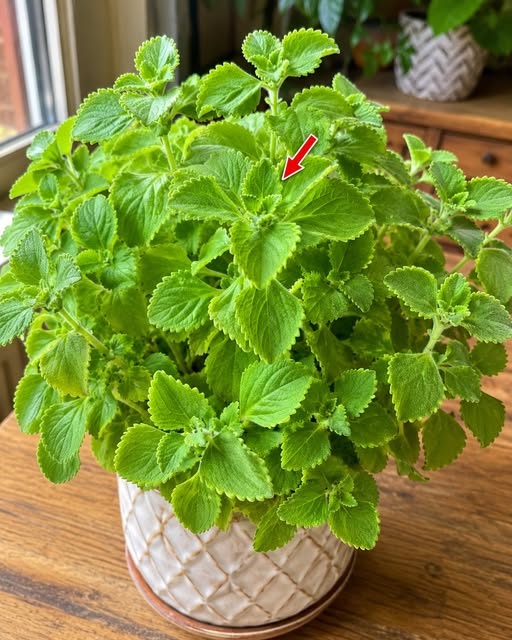
One reason oregano has remained popular for generations is its versatility. Whether you cook elaborate family meals or prefer simple dishes, this fragrant herb can fit naturally into your routine.
Breakfast Ideas
Starting the day with a little extra flavor can make healthy foods more enjoyable.
Try adding oregano to:
- Scrambled eggs
- Omelets
- Cottage cheese
- Avocado toast
- Breakfast potatoes
A small pinch can transform a familiar breakfast without changing the meal entirely.
Lunch Options
Many midday meals benefit from the herb’s savory character.
Consider mixing oregano into:
- Tomato soup
- Vegetable soup
- Tuna salad
- Chicken salad
- Sandwich fillings
Even a simple bowl of soup can feel more satisfying with a touch of Mediterranean flavor.
Dinner Favorites
Oregano truly shines in evening meals.
Popular uses include:
- Pasta sauces
- Roasted vegetables
- Grilled chicken
- Baked fish
- Homemade pizza
- Stews and casseroles
Its warm, earthy taste pairs especially well with tomatoes, garlic, onions, and olive oil.
Why Small Habits Often Work Better Than Big Changes
Many health goals fail because they require dramatic lifestyle changes.
Large plans often sound exciting at first:
- Completely changing your diet
- Eliminating favorite foods
- Following strict meal plans
- Purchasing expensive supplements
Yet the habits that last are usually much simpler.
Adding a single herb to meals requires almost no extra effort, which makes consistency easier. While one leaf alone is not a miracle solution, small positive actions repeated daily often become lasting routines.
Many nutrition experts emphasize that long-term health is built through thousands of small decisions rather than a handful of major ones.
The Mediterranean Connection
Oregano is one of the signature herbs of Mediterranean-style eating patterns.
These traditional dietary patterns typically include:
- Vegetables
- Fruits
- Beans and legumes
- Whole grains
- Fish
- Olive oil
- Herbs and spices
Researchers have studied Mediterranean diets extensively because they are associated with healthy aging and overall wellness.
Of course, oregano is only one part of that larger picture, but it reflects an approach that values natural ingredients, simple cooking, and flavorful meals.
Growing Your Own Oregano
Many seniors enjoy keeping a small herb plant near a sunny window, on a balcony, or in a garden.
Oregano is relatively easy to grow because it:
- Requires minimal maintenance
- Tolerates dry conditions
- Produces leaves for months
- Grows well in containers
Having fresh oregano nearby can make healthy cooking feel more enjoyable and convenient.
There is also something satisfying about clipping a fresh leaf moments before adding it to a meal.
Other Herbs That Pair Well with Oregano
If oregano inspires you to experiment with more herbs, consider combining it with:
Basil
Perfect for:
- Pasta dishes
- Salads
- Tomato recipes
Rosemary
Excellent with:
- Roasted potatoes
- Chicken
- Lamb
Thyme
Works well in:
- Soups
- Stews
- Vegetable dishes
Parsley
Adds freshness to:
- Salads
- Fish
- Rice dishes
Using a variety of herbs increases flavor without relying heavily on salt.
A Simple Oregano Tea
Although oregano is most commonly used in cooking, some people enjoy it as an herbal tea.
Basic Recipe
Ingredients:
- 1 teaspoon dried oregano
- 1 cup hot water
Instructions:
- Place oregano in a cup.
- Pour hot water over the herb.
- Allow it to steep for 5–10 minutes.
- Strain if desired.
- Enjoy warm.
Some people add a slice of lemon or a small amount of honey for flavor.
As with any herbal beverage, moderation is important.
Common Questions About Oregano
Can I Eat Oregano Every Day?
For most healthy adults, oregano used in normal culinary amounts is generally considered safe as part of a balanced diet.
Is Fresh Oregano Stronger Than Dried?
Dried oregano has a more concentrated flavor because much of the water has been removed.
Fresh oregano tends to taste lighter and brighter.
Can Oregano Replace Medications?
No.
Oregano should be viewed as a food and seasoning, not a replacement for prescribed medical treatments.
Always follow your healthcare provider’s recommendations regarding medications and medical care.
Does More Oregano Mean More Benefits?
Not necessarily.
A moderate amount is usually sufficient to add flavor and variety to meals. Extremely large quantities are unnecessary for most people.
Final Thoughts
The appeal of oregano is not that it promises dramatic overnight results. Rather, it represents something much more realistic and sustainable: a simple way to add flavor, variety, and plant-based nutrients to everyday meals.
For seniors looking to support healthy eating habits, the idea of adding a single oregano leaf—or a small pinch of dried oregano—to a daily meal may be one of the easiest wellness habits to adopt. It requires no special equipment, very little expense, and almost no extra time.
While no herb can stop aging or replace professional medical care, small habits practiced consistently often have the greatest impact over time. Oregano reminds us that healthy living does not always require major changes. Sometimes it begins with a tiny adjustment made at the kitchen table, one meal at a time.
Disclaimer
This article is intended for informational purposes only and should not be considered medical advice. Consult your doctor, pharmacist, or qualified healthcare professional before making significant dietary changes, especially if you take medications, have chronic health conditions, or have concerns about possible interactions. Individual needs and responses vary.