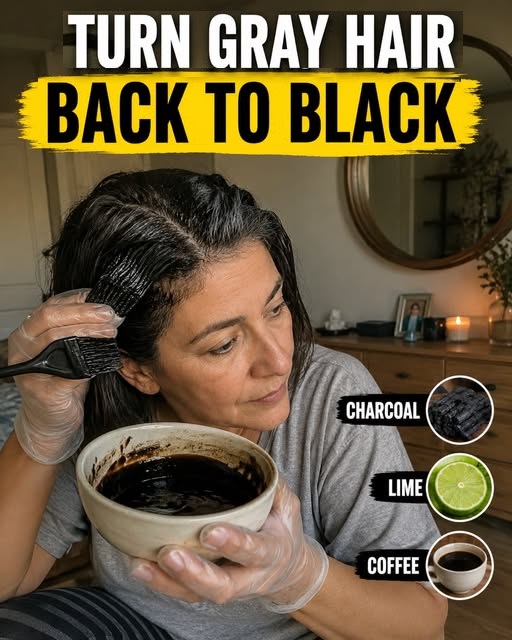
Activated charcoal has become a popular ingredient in DIY beauty routines, with some social media users claiming it can help gray hair appear darker without traditional hair dye. The promise is appealing: a simple, inexpensive solution that may temporarily reduce the appearance of gray strands.
But what actually happens when charcoal is applied to hair?
The answer is more about appearance than pigmentation.
Activated charcoal does not restore natural hair color, increase melanin production, or reverse the graying process. Instead, it may temporarily coat the surface of hair strands, creating a darker appearance that can reduce the visual contrast between gray hairs and darker hair colors.
For many people, that subtle change is enough to make gray roots appear less noticeable.
Why Gray Hair Looks More Noticeable
Gray hair often stands out because it reflects light differently than pigmented hair.
As melanin production decreases with age, hair loses its natural color and may appear silver, white, or gray. These lighter strands reflect more light, making them more visible, especially under bright indoor lighting or direct sunlight.
This is one reason many people feel their gray hair appears more noticeable than it actually is.
The contrast between darker hair and lighter strands can draw attention to the scalp line, roots, and crown area.
How Activated Charcoal Works
Activated charcoal is known for its highly porous surface.
In hair applications, charcoal particles may cling temporarily to the outer layer of the hair shaft, creating a darker visual effect on some strands.
This effect is similar to applying a tinted powder or temporary color coating rather than permanently changing the hair itself.
Because the coating remains on the surface, the results are temporary and typically fade with washing.
The effectiveness can vary significantly depending on hair texture, hair color, and individual hair care routines.
Why Results Differ From Person to Person
One reason DIY charcoal treatments generate mixed reviews is that hair characteristics vary widely.
Factors that may influence results include:
- Hair porosity
- Hair texture
- Existing hair color
- Product buildup
- Damage levels
- Frequency of washing
More porous hair may hold temporary coatings more easily, while smoother or less porous hair may not retain as much of the dark pigment.
This can create dramatically different results even when two people use the same mixture.
Common DIY Recipes
Many online recipes combine activated charcoal with ingredients such as:
- Coconut oil
- Aloe vera gel
- Lemon juice
- Lime juice
- Hair conditioners
These ingredients primarily affect the texture and application of the mixture rather than permanently changing hair color.
Coconut oil may help reduce dryness, while citrus ingredients can help create a smoother paste. However, neither ingredient has been proven to restore natural pigment to gray hair.
Potential Drawbacks
Before trying activated charcoal on hair, it’s important to understand the limitations.
Some people may experience:
- Messy application
- Temporary staining of towels
- Product residue
- Uneven coverage
- Dryness in already damaged hair
Because charcoal is dark and powdery, cleanup can be challenging, especially on light-colored surfaces and fabrics.
Results may also appear patchy if the mixture is not applied evenly.
A Better Approach to Gray Hair Management
People who want longer-lasting gray coverage may find more predictable results with professional hair coloring products or salon treatments.
Others may choose to embrace gray hair while focusing on hair health through:
- Regular conditioning
- Scalp care
- Heat protection
- Balanced nutrition
- Gentle hair care practices
Healthy hair often appears shinier, smoother, and more vibrant regardless of color.
What Activated Charcoal Cannot Do
Despite viral claims, activated charcoal cannot:
- Reverse gray hair permanently
- Restore melanin production
- Stop the natural aging process
- Prevent future graying
- Replace professional hair color treatments
Any darkening effect is cosmetic and temporary.
Understanding this distinction helps set realistic expectations and prevents disappointment.
The Bottom Line
Activated charcoal may temporarily make some gray hairs appear darker by coating the outer surface of the hair shaft. This can reduce contrast and create the appearance of fuller, more blended color for a short period of time.
However, charcoal does not reverse graying, restore pigment, or permanently change hair color. For most people, it is best viewed as a temporary cosmetic technique rather than a long-term solution.
The healthiest approach to hair care remains maintaining strong, well-conditioned hair while choosing color solutions that align with your personal preferences and lifestyle.
This article is for informational purposes only and does not constitute medical advice. Consult a qualified healthcare professional or dermatologist regarding hair, scalp, or skin concerns.