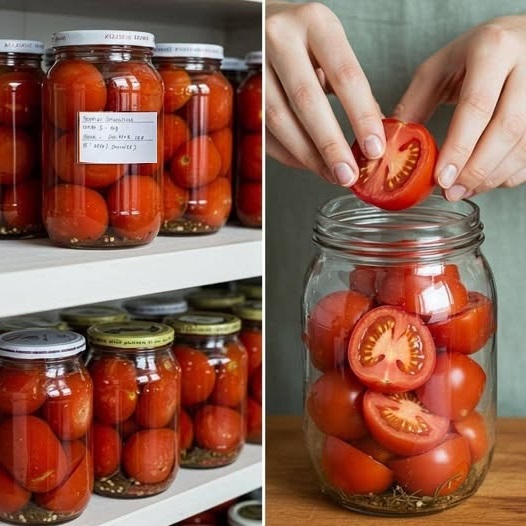
Nothing compares to the rich flavor of a perfectly ripe tomato picked at the height of the growing season. Whether you’re harvesting tomatoes from your own garden or bringing home a basket from a local farmers market, preserving them can help you enjoy that fresh taste long after summer has ended.
Home canning has become increasingly popular among families looking to reduce food waste, save money on groceries, and prepare wholesome pantry staples. Properly preserved tomatoes can be used throughout the year in homemade soups, pasta sauces, stews, casseroles, and countless other recipes.
However, successful tomato preservation isn’t simply about sealing food inside a jar. Safe home canning depends on following scientifically tested food preservation methods that help reduce the risk of spoilage while maintaining flavor and quality.
If you’ve seen claims that tomatoes can be safely stored for “two years without vinegar,” it’s important to understand what current food safety recommendations actually say.
In this guide, you’ll learn how to choose the best tomatoes, prepare them correctly, and preserve them using evidence-based home canning practices.
Why Preserve Tomatoes at Home?
Home preservation offers several practical benefits beyond extending shelf life.
Many home cooks choose to preserve tomatoes because it allows them to:
- Enjoy seasonal produce throughout the year.
- Reduce unnecessary food waste.
- Save money when tomatoes are abundant.
- Control the ingredients used in homemade recipes.
- Avoid unnecessary preservatives found in some processed products.
- Keep healthy pantry staples readily available for family meals.
For people who enjoy meal planning or batch cooking, home-canned tomatoes can make preparing nutritious meals faster and more convenient.
Choosing the Best Tomatoes for Canning
The quality of your preserved tomatoes depends heavily on the fruit you begin with.
For the best results, choose tomatoes that are:
- Fully ripe
- Firm but not hard
- Rich in flavor
- Free from mold
- Free from bruises
- Free from insect damage
- Free from signs of spoilage
Avoid using tomatoes that are overripe, damaged, or beginning to ferment, as poor-quality produce can affect both flavor and food safety.
Which Tomato Varieties Work Best?
While nearly any tomato can be preserved, some varieties perform better than others.
Meaty paste tomatoes are especially popular because they contain less water and more flesh.
Excellent choices include:
- Roma tomatoes
- San Marzano tomatoes
- Amish Paste tomatoes
- Opalka tomatoes
- Other paste-style varieties
These tomatoes generally require less cooking to achieve a thick, flavorful consistency.
Juicier slicing tomatoes can also be preserved but may require a longer cooking time to reduce excess liquid.
Ingredients You’ll Need
For approximately three large jars, you’ll need:
- About 7 kilograms (15 pounds) of ripe tomatoes
- Fresh basil (optional)
- Clean canning jars
- New canning lids
- Canning bands
- A large stockpot
- A water-bath canner or pressure canner, depending on the recipe and preservation method
- Jar lifter
- Funnel
- Bubble remover or non-metal utensil
Having the proper equipment helps make the canning process both easier and safer.
Preparing Your Tomatoes
Careful preparation improves both flavor and quality.
Step 1: Wash Thoroughly
Rinse each tomato under clean running water to remove dirt and debris.
Avoid washing tomatoes until you’re ready to process them.
Step 2: Remove Damaged Areas
Inspect every tomato carefully.
Cut away:
- Bruises
- Soft spots
- Moldy areas
- Cracks
- Stem scars if desired
Discard any tomatoes showing signs of spoilage.
Step 3: Peel (Optional but Recommended)
Many home canning recipes recommend removing the skins.
To peel tomatoes easily:
- Bring a large pot of water to a boil.
- Cut a small “X” in the bottom of each tomato.
- Place tomatoes into boiling water for about 30 to 60 seconds.
- Transfer immediately into ice water.
- Slip off the skins.
Peeling improves texture and follows many tested home canning recommendations.
Step 4: Cut and Crush
Depending on your intended use, tomatoes can be:
- Quartered
- Chopped
- Crushed
- Pureed
- Left in larger pieces
Many people prepare crushed tomatoes because they work well in sauces, soups, and stews.
Cooking the Tomatoes
Place the prepared tomatoes into a large stainless-steel pot.
Bring them to a gentle boil while stirring regularly to prevent sticking.
As they cook:
- Foam may appear on the surface.
- Stir occasionally.
- Skim excess foam if desired.
- Continue cooking until the preferred consistency is reached.
Cooking time varies depending on the variety of tomatoes and the amount of liquid they contain.
Why Safe Canning Matters
One of the biggest misconceptions online is that simply sealing hot tomatoes inside jars guarantees long-term preservation.
In reality, safe home canning depends on several important factors, including:
- Proper acidity
- Correct processing time
- Sterilized equipment
- Airtight sealing
- Appropriate storage conditions
Modern food safety recommendations emphasize using scientifically tested procedures rather than traditional methods that have not been evaluated for safety.
Following evidence-based practices helps reduce the risk of food spoilage and foodborne illness while preserving the quality of your tomatoes.
Coming Up in Part 2…
Preparing tomatoes is only the beginning. In Part 2, you’ll learn how to safely fill and process canning jars, why acidity is essential for food preservation, discover the recommended storage conditions, learn how long home-canned tomatoes typically maintain their best quality, recognize the warning signs of spoilage, and explore practical food safety tips that every home canner should know before opening a jar.